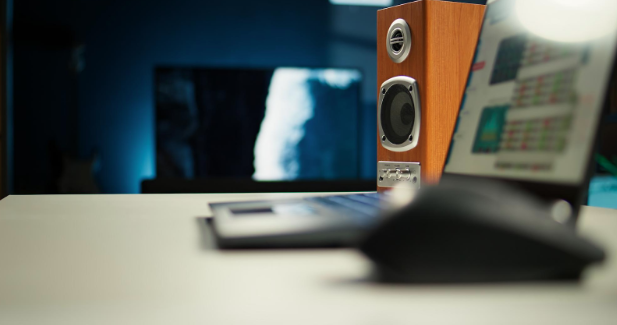
In today’s fast-paced business landscape, where collaboration and productivity are paramount, the importance of an integrated audiovisual (AV) system cannot be overstated. As workspaces evolve to meet the demands of a dynamic workforce, the integration of seamless, user-friendly audio and visual technologies has become a critical component of a successful modern office.
Enhancing Collaboration and Productivity
At the heart of an integrated AV system lies the speaker, a crucial component that enables clear, high-quality audio communication. Whether it’s for virtual meetings, video conferences, or multimedia presentations, a well-designed speaker system can elevate the quality of collaboration and enhance overall productivity.
Modern AV systems go beyond just audio capabilities; they often incorporate features like wireless screen sharing, digital whiteboards, and intuitive control panels. These integrated solutions streamline workplace workflows, allowing teams to seamlessly transition between tasks and presentations without technical hiccups.
Fostering Engaged Meetings and Presentations
In a world where attention spans are increasingly short, the visual aspect of an AV system plays a vital role in engaging participants. High-definition displays, interactive touch screens, and advanced projection capabilities can transform meetings and presentations into immersive, captivating experiences that keep attendees engaged and focused.
Adaptability and Scalability
As businesses evolve and expand, the flexibility of an integrated AV system becomes paramount. The best systems are designed to be scalable, allowing organizations to easily add or modify components as their needs change. This adaptability ensures that the AV infrastructure can grow alongside the business, providing a future-proof solution that keeps pace with technological advancements.
Optimizing Space Utilization with an Integrated Speaker Audio Visual (AV) System
In today’s open-plan office environments, the thoughtful integration of AV systems can help maximize the efficiency of available workspace. Strategically placed speaker equipment, screens, and control panels can seamlessly blend into the overall design, creating a cohesive and visually appealing environment that enhances the user experience.
The strategic placement of audio-visual (AV) components is essential for optimizing office space efficiency and enhancing workflow. Collaboration between AV experts and interior designers ensures a seamless integration of speakers, displays, and control panels while minimizing visual disruption. Modular and flexible AV systems allow organizations to adjust layouts and repurpose spaces effectively.
Wireless solutions eliminate unnecessary cabling, maintaining a neat environment. Integrated systems can transform rooms into multifunctional spaces, while centralized control interfaces enable remote management, promoting optimal resource use. By focusing on these factors, organizations can create adaptable workspaces that improve collaboration and user experience.
Conclusion
In the ever-changing landscape of modern workspaces, an integrated AV system has become an indispensable tool for fostering collaboration, productivity, and engagement. By leveraging the power of speakers, display technologies, and intuitive control systems, organizations can create dynamic, user-friendly environments that empower their workforce and drive business success.
As the world continues to evolve, the importance of an integrated AV system will only become more pronounced. Forward-thinking businesses that invest in these transformative solutions will be well-positioned to thrive in the years to come, solidifying their place as leaders in their respective industries.