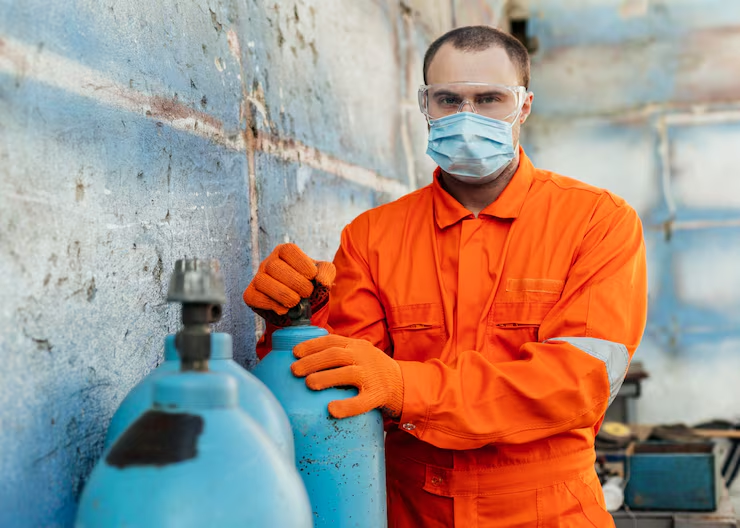
A reliable gas delivery service provides homeowners with a convenient and efficient way to fuel heating systems, cooking appliances, water heaters, and backup generators. While gas is a safe and effective energy source when handled properly, it also requires careful attention to safety practices. Understanding how to store, use, and monitor gas systems can help prevent accidents and ensure a secure home environment.
1. Choose a Licensed and Reputable Provider
The first step in ensuring safety is selecting a professional and certified gas delivery company. A reputable gas delivery service follows industry regulations, uses high-quality equipment, and ensures proper handling during transportation and refilling.
Working with experienced providers reduces the risk of leaks, improper installation, or unsafe storage practices.
2. Schedule Regular System Inspections
Routine inspections are essential for maintaining a safe gas system. Have a qualified technician check your gas lines, tanks, regulators, and appliances at least once a year.
Regular maintenance helps detect small issues such as worn connections or pressure problems before they become serious hazards. Preventive care not only improves safety but also enhances system efficiency and longevity.
3. Install Gas Leak Detectors
Gas leaks can be dangerous if not detected early. Installing gas leak detectors or carbon monoxide alarms in key areas of your home provides an extra layer of protection.
These devices alert you immediately if gas levels become unsafe, allowing you to take quick action. Early detection can prevent health risks, fires, or explosions.
4. Know the Signs of a Gas Leak
Homeowners should be aware of warning signs that may indicate a gas leak. These include a strong sulfur or “rotten egg” smell, hissing sounds near gas lines or tanks, dead vegetation around outdoor tanks, or sudden physical symptoms such as dizziness or nausea.
If you suspect a leak, turn off the gas supply if it is safe to do so, leave the area immediately, and contact your gas delivery service or emergency services.
5. Maintain Proper Tank Placement and Clearance
Outdoor gas tanks should be installed in well-ventilated areas and kept clear of debris, vegetation, and flammable materials.
Avoid placing heavy objects near the tank or blocking access points. Keeping the area clean and accessible ensures safe operation and allows delivery technicians to refill the tank without risk or delay.
6. Practice Safe Appliance Use
Always follow manufacturer instructions when using gas-powered appliances. Ensure that stoves, heaters, and water heaters are properly ventilated and never use outdoor gas equipment indoors. If an appliance produces unusual flames, soot, or inconsistent performance, have it inspected immediately to prevent potential hazards.
Conclusion
Using a professional gas delivery service offers convenience and reliable energy for your home, but safety should always remain a top priority. By scheduling regular inspections, installing detectors, maintaining proper storage conditions, and staying alert to warning signs, homeowners can significantly reduce risks. Taking proactive safety measures ensures efficient system performance while protecting your family, property, and peace of mind for the long term.