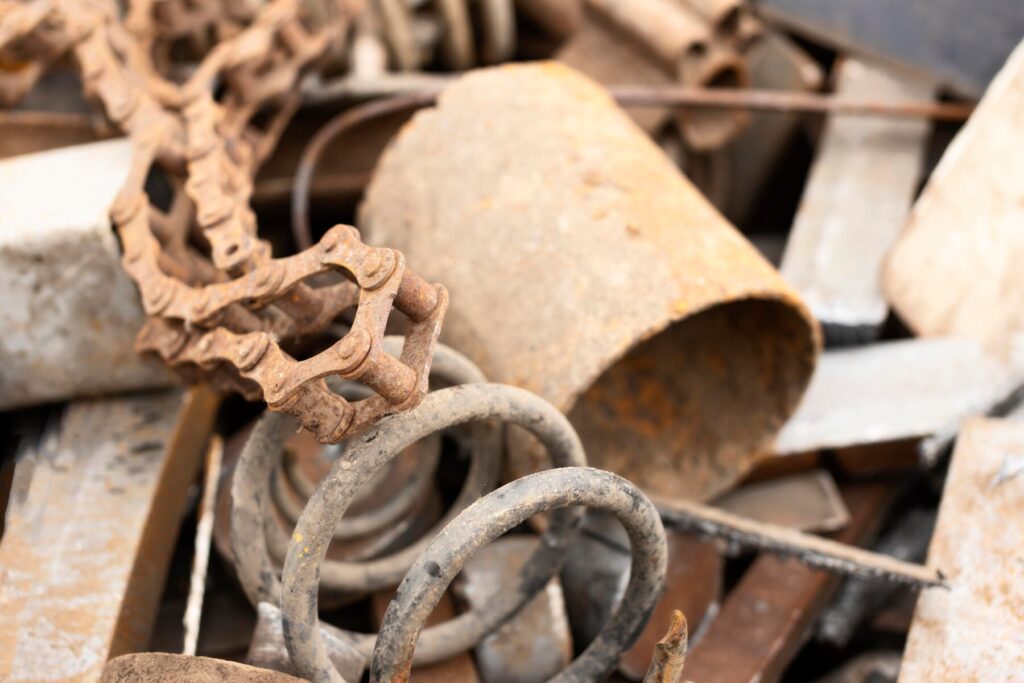
Scrap metal recycling is a vital process that not only helps conserve natural resources but also reduces waste and minimizes environmental impact. Understanding how this process works can empower individuals and businesses to make informed decisions about responsible waste management. Here’s a step-by-step guide on how scrap metal recycling operates from collection to repurposing.
1. Collection of Scrap Metal
The first step in scrap metal recycling is the collection of scrap materials. This can occur in various ways, depending on the source. For individuals, it might involve gathering unwanted metal items from home renovations, old appliances, or automotive parts.
Businesses may generate scrap metal from manufacturing processes, construction sites, or demolition activities. Many recycling services offer convenient pick-up options, ensuring that collecting scrap metal is a hassle-free experience. By encouraging metal collection, communities promote sustainable practices that mitigate landfill waste and enhance recycling efforts.
2. Sorting and Processing
Once collected, the scrap metal undergoes sorting, which is critical for proper recycling. Scrap metal recycling facilities typically have designated areas for different types of metals, such as ferrous and non-ferrous materials. Ferrous metals contain iron, whereas non-ferrous metals include materials like aluminum, copper, and brass.
Sorting can be done manually or with the aid of advanced machinery, ensuring that different metal types are identified and separated effectively. This step is essential because different metals require varying processing methods, and proper classification maximizes the efficiency of recycling processes.
3. Shredding and Shearing
After sorting, the next step in scrap metal recycling involves shredding or shearing the metal into smaller, manageable pieces. Shredding machines cut large metal items into smaller fragments, making it easier to handle and transport them for the next stage. This is particularly important for heavy metals or bulky items that may be challenging to process as-is.
Once the metals are shredded, they can be further processed and prepared for melting. The shredding process not only facilitates easier handling but also increases the surface area exposed to melting processes, which enhances energy efficiency.
4. Melting and Refining
In the melting stage of scrap metal recycling, the sorted and shredded metals are heated in large furnaces. Each type of metal has unique melting points, which requires specific furnace temperatures to ensure complete melting. After melting, the liquid metal is refined, removing impurities that may have been present.
This step is crucial, as high-quality metal is essential for production and manufacturing processes. Once the refining is complete, the molten metal is ready to be cast into new forms, ready for manufacturing into various products.
5. Manufacturing and Repurposing
The final step in the scrap metal recycling process is manufacturing new products from the recycled materials. The melted and refined metals are cast into ingots, sheets, or other forms that manufacturers can use to create new items, ranging from automotive parts to construction materials.
This cycle of scrap metal recycling not only conserves natural resources by utilizing existing materials but also contributes to reducing energy consumption in the production process. By repurposing recycled metal, industries can minimize the environmental footprint associated with mining and processing new metals.
Conclusion
In conclusion, understanding the process of scrap metal recycling—from collection to manufacturing—highlights its importance in promoting sustainability and resource conservation. By actively participating in recycling efforts, individuals and businesses can contribute to a more sustainable future while benefiting from the economic advantages of recycling.
Embracing scrap metal recycling not only reduces waste but also supports the creation of new products, making it a vital component of responsible waste management.